

Call 301-614-0535 to Schedule a Consultation


What Debts Must Be Paid in Full During Chapter 13?
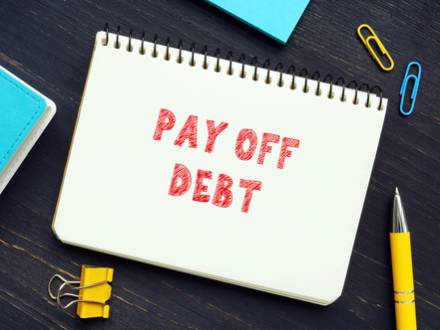 In a Chapter 13 bankruptcy, not all debts are treated the same way. Some debts must be paid in full through your repayment plan. Others can be reduced or paid only partially. Understanding which debts fall into which category is one of the most important parts of building a Chapter 13 plan that actually works for your situation.
If you are planning to file a Chapter 13 in 2026, a Montgomery County bankruptcy lawyer can help you understand exactly what you owe, how it will be handled, and how to move forward with a plan that protects what matters most to you.
How Does Chapter 13 Bankruptcy Work?
Chapter 13 bankruptcy allows you to keep your assets while repaying your debts over a three to five-year period through a court-approved repayment plan. Unlike Chapter 7, which wipes out eligible debts quickly, Chapter 13 is a structured repayment process. The amount you pay each month depends on your income, your expenses, and the types of debts you owe.
Under 11 U.S.C. § 1322, your Chapter 13 plan has to meet certain requirements set by the bankruptcy code. One of the most important is that certain categories of debt have to be paid in full. These are called priority debts, and they must be satisfied through the plan before other creditors receive anything.
What Are Priority Debts and Why Must They Be Paid in Full?
Priority debts are debts that Congress has decided are important enough to receive special treatment in bankruptcy. The idea is that some obligations are too significant to be reduced or discharged, and creditors holding these debts must be paid in full before other creditors get anything.
The most common types of priority debts include:
-
Domestic support obligations, such as child support and alimony
-
Certain tax debts, including income taxes owed to the IRS or state government for recent tax years
-
Wages owed to employees if you own a business
-
Contributions to employee benefit plans
If you owe any of these types of debts, your plan has to provide for paying them completely before the plan ends.
What Happens to Your Mortgage if You Want To Keep Your Home During a Chapter 13?
Your mortgage is a secured debt, not a priority debt, but it still has to be treated carefully in a Chapter 13 plan if you want to keep your home. If you are behind on your mortgage, Chapter 13 allows you to catch up on those missed payments, called arrears, over the life of the plan while also staying current on your ongoing monthly payments.
Under 11 U.S.C. § 1322(b)(5), a Chapter 13 plan can provide for the curing of a default on a long-term debt like a mortgage. This is one of the most powerful features of Chapter 13 and one of the main reasons people choose it over Chapter 7. The plan essentially gives you time to make up what you owe without the lender being able to foreclose, as long as you are staying current.
If saving your home is your primary goal, Chapter 13 may be exactly the right tool for your situation.
What Happens to Car Loans and Other Secured Debts During a Chapter 13?
Car loans and other secured debts are also treated differently from unsecured debts in Chapter 13. If you want to keep the vehicle, you generally have to pay at least the value of the car through the plan, even if you owe more than it is worth. In some cases, you may be able to reduce the loan balance to the current value of the car through a process called a cramdown.
However, cramdowns are not available on vehicles purchased within 910 days before filing under a special rule in 11 U.S.C. § 1325(a). For those vehicles, you have to pay the full loan balance through the plan.
What Happens to Unsecured Debts Like Credit Cards During a Chapter 13?
Unsecured debts like credit cards, medical bills, and personal loans are usually paid only a portion of what is owed, or sometimes nothing at all, depending on your disposable income after priority and secured debts are accounted for. At the end of your plan, any remaining balance on eligible unsecured debts is discharged, meaning it is wiped out and you no longer owe it.
This is one of the most meaningful benefits of Chapter 13 for people carrying significant unsecured debt. Even if your credit card balances are large, the plan may only require you to pay a small fraction of what you owe before the rest is discharged.
What Happens if You Cannot Afford To Pay All Your Priority Debts During a Chapter 13?
This is a real concern for many people who are considering Chapter 13, and it is worth being honest about upfront. If your income is not enough to cover all priority debts, all mortgage arrears, and ongoing living expenses over the life of the plan, the plan may not be confirmable. In other words, the court may not approve it.
This is one of the most important reasons to work with an experienced bankruptcy attorney before filing. A well-designed plan that accurately reflects your income, expenses, and debt obligations gives you the best chance of getting your plan approved and successfully completing it.
Contact Our Greenbelt, MD Bankruptcy Lawyer Today
Attorney Donald Bell is currently the chair of the National Bar Association's Bankruptcy section and brings more than 20 years of experience to cases just like yours. With a special focus on helping clients save their homes and a hands-on approach that means you are never left guessing about where your case stands, The Law Office of Donald L. Bell is ready to help you build a plan that protects what matters most.
Call 301-614-0535 to talk about your situation with our Montgomery County bankruptcy lawyer today.

Get Control of Your Life Back and Contact Us to Schedule a Consultation
Office Locations
Columbia, MD Office
Proudly Serving Greenbelt, MD and surrounding areas including Berwyn Heights, Hollywood, Lanham, Seabrook, New Carrollton, Wildercroft, College Park, Silver Spring, Rockville, Bowie, Burtonsville, Largo, Takoma Park, Upper Marlboro, Clinton, Hyattsville, Annapolis, Crofton, Columbia, Ellicott City, Beltsville, Landover, Bethesda, Chevy Chase, Glen Burnie, Catonsville, Laurel, Germantown, Gaithersburg, Potomac, Pasadena, Severna Park, Baltimore, Frederick, Olney, Langley Park, National Harbor, District Heights, Odenton, Edgewater, Severn, Linthicum Heights, Gambrills, Owings Mills, Pikesville, Towson, Snowden Pond, Acredale, Ammendale, and White Oak Manor.
We are a debt relief agency. We help people file for bankruptcy relief under the Bankruptcy Code.

