

Call 301-614-0535 to Schedule a Consultation


Foreclosure vs. Bankruptcy: How Can You Protect Your Home?
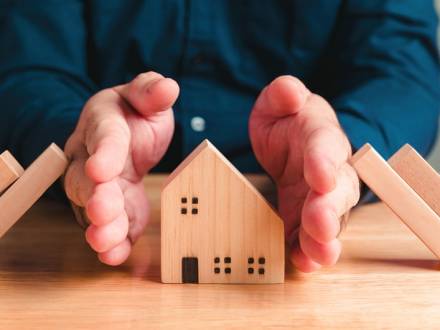 Bankruptcy can temporarily stop a foreclosure through the automatic stay. Chapter 13 bankruptcy can also give you a structured way to catch up on missed mortgage payments over time.
If you're struggling to keep up with mortgage payments in 2026, our Silver Spring, MD bankruptcy lawyer can help you understand whether bankruptcy might help you save your home. Attorney Donald L. Bell brings more than 20 years of experience to these cases and can walk you through your options.
What Happens During Foreclosure in Maryland?
Foreclosure is the legal process a lender uses to take back a home after a borrower falls behind on mortgage payments. In Maryland, lenders generally must follow specific notice requirements before filing for foreclosure. This includes sending a notice of intent to foreclose at least 45 days before starting the court process, under Maryland Real Property Article Section 7-105.1.
The timeline can move quickly once foreclosure proceedings begin, especially if no action is taken to stop it. Understanding this timeline is important. Options that could have saved your home may no longer be available once the process reaches certain stages.
How Much Time Do You Have Before Losing Your Home to Foreclosure?
The exact timeline for foreclosure varies depending on how far behind you are on payments. It also depends on how quickly your lender moves forward with the process. Generally, homeowners have some window of time after receiving foreclosure notices before a sale actually takes place. This is why acting as soon as you fall behind gives you the most options.
How Does Filing for Bankruptcy Stop a Foreclosure?
An automatic stay goes into effect immediately when you file for bankruptcy. This legally requires your lender to stop any pending foreclosure action. This pause gives you breathing room to explore your options. You might catch up on missed payments through a repayment plan. You might address other debts that have made your mortgage difficult to afford.
This automatic stay doesn't erase your mortgage debt. It does buy you valuable time, though, and it stops the immediate threat of losing your home while you work out a longer-term solution.
What Is the Difference Between Chapter 7 and Chapter 13 for Saving Your Home?
Chapter 7 and Chapter 13 bankruptcy work very differently when it comes to protecting your home. Chapter 7 bankruptcy typically only delays foreclosure temporarily. It doesn't provide a way to catch up on missed mortgage payments. Foreclosure can generally resume if you're still behind on payments once the automatic stay is lifted or the case closes.
Chapter 13 bankruptcy works differently. It allows you to create a repayment plan lasting three to five years. This gives you time to catch up on missed mortgage payments while keeping your home. This makes Chapter 13 the more commonly used option for homeowners specifically trying to prevent foreclosure and stay in their homes long term.
What Are the Requirements to Qualify for Chapter 13 Bankruptcy?
Not everyone automatically qualifies for Chapter 13 bankruptcy. Eligibility generally depends on having a steady source of income. You also need to stay within certain debt limits set by federal bankruptcy law. A bankruptcy attorney can review your specific financial situation to determine whether Chapter 13 is a realistic option for your circumstances.
Are There Alternatives to Bankruptcy for Avoiding Foreclosure?
Bankruptcy isn't the only option for homeowners facing foreclosure. Loan modifications and repayment plans negotiated directly with your lender can also help. In some cases, refinancing can help homeowners catch up on missed payments without filing for bankruptcy. These options aren't always available or successful, though, particularly if a homeowner has already fallen significantly behind. This is why many people ultimately turn to Chapter 13 bankruptcy as a more reliable path.
What Happens if You Don't Take Action Before a Foreclosure Sale?
You generally lose the opportunity to save your home through a Chapter 13 repayment plan if no action is taken before a foreclosure sale takes place. Bankruptcy can't undo a completed foreclosure sale in most circumstances. This is one of the most important reasons to seek guidance as soon as you realize you're falling behind, rather than waiting until the situation feels dire.
Contact Our Greenbelt, MD Foreclosure Defense Attorney Today
Attorney Bell currently serves as chair of the National Bar Association's Bankruptcy Section. He provides hands-on guidance to every client, helping homeowners understand their options and find solutions during a difficult financial time.
Contact The Law Office of Donald L. Bell at 301-614-0535 to talk to our Silver Spring bankruptcy lawyer today.

Get Control of Your Life Back and Contact Us to Schedule a Consultation
Office Locations
Columbia, MD Office
Proudly Serving Greenbelt, MD and surrounding areas including Berwyn Heights, Hollywood, Lanham, Seabrook, New Carrollton, Wildercroft, College Park, Silver Spring, Rockville, Bowie, Burtonsville, Largo, Takoma Park, Upper Marlboro, Clinton, Hyattsville, Annapolis, Crofton, Columbia, Ellicott City, Beltsville, Landover, Bethesda, Chevy Chase, Glen Burnie, Catonsville, Laurel, Germantown, Gaithersburg, Potomac, Pasadena, Severna Park, Baltimore, Frederick, Olney, Langley Park, National Harbor, District Heights, Odenton, Edgewater, Severn, Linthicum Heights, Gambrills, Owings Mills, Pikesville, Towson, Snowden Pond, Acredale, Ammendale, and White Oak Manor.
We are a debt relief agency. We help people file for bankruptcy relief under the Bankruptcy Code.

